Everything you need to start exporting profitably from Nigeria: NEPC registration, NXP forms, top non-oil products, Export Expansion Grant (EEG) incentives, required documents, and expert tips to avoid costly mistakes.
Nigeria's most profitable export commodities with massive global demand
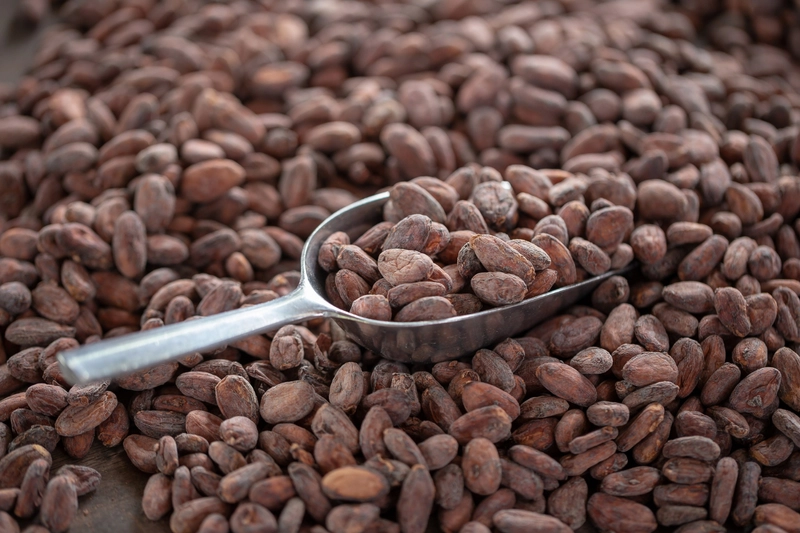
Nigeria is the world's 4th largest cocoa producer with annual exports exceeding $1.3 billion. High demand for premium quality beans and processed products like cocoa butter and powder.
Top Markets: Netherlands, Belgium, USA, Malaysia, Germany
Export Tip: Focus on quality grading (Grade 1 and 2), proper fermentation, and value-added processing for higher margins. Buyers prioritize HACCP and organic certification.
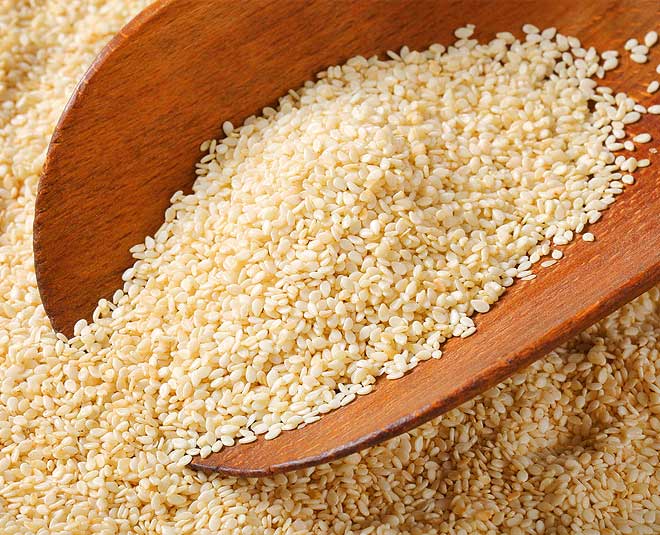
Nigeria accounts for over 30% of Africa's sesame production. White and mixed varieties are in high demand across Asia and Middle East for oil extraction and food products.
Top Markets: China, Japan, Turkey, South Korea, UAE
Export Tip: Ensure moisture content below 6%, minimize foreign matter, and meet phytosanitary standards. Chinese buyers pay premium for 99% purity white sesame.

Nigeria is among the top 5 cashew producers globally. Raw cashew nuts (RCN) command strong prices, while processed kernels offer 3x higher value.
Top Markets: Vietnam, India, USA, UAE, UK
Export Tip: Grade by nut size (W180, W240, W320). Consider local processing for kernels to capture more value. Vietnam and India are major RCN importers for processing.

Nigerian shea butter is prized for cosmetics and food industries. Unrefined shea butter and shea nuts are key exports with growing demand from European and US markets.
Top Markets: France, USA, UK, Germany, Netherlands
Export Tip: Organic and fair-trade certifications increase margins by 40%. Maintain low free fatty acid (FFA) levels for cosmetic-grade butter. Package properly to avoid rancidity.
Nigerian ginger is recognized for high oleoresin content and pungency. Both fresh and dried forms are exported, with Asia and Europe as major buyers.
Top Markets: Netherlands, USA, UK, Pakistan, Morocco
Export Tip: Dry to 10-12% moisture for long shelf life. Split rhizome variety commands premium. Meet EU pesticide residue limits (MRL) for European markets.
Dried hibiscus (zobo) is a major Nigerian export used for beverages, teas, and natural food coloring. Growing health food trend boosts global demand.
Top Markets: USA, Germany, Mexico, Egypt, UAE
Export Tip: Bright red color indicates quality. Ensure clean, insect-free, and properly dried flowers. Pack in moisture-proof bags to preserve color and aroma. Organic certification opens premium markets.
Complete guide to exporting from Nigeria compliantly and profitably

The Nigerian Export Promotion Council (NEPC) registration is mandatory for all exporters. Before NEPC registration, ensure you have:
NEPC E-Registration Process: Visit NEPC online portal, create account, upload CAC certificate, TIN, passport photo, business plan (optional but recommended), and utility bill for address verification. Submit application and pay registration fee.
⏱ Timeline: 3-7 business days 💰 Cost: ₦30,000 - ₦50,000 (varies by business type)Pro Tip: NEPC provides access to trade missions, buyer databases, export finance schemes, and the Export Expansion Grant (EEG). Renew annually to maintain active status.
Finding reliable international buyers is critical. Leverage these resources:
Contract Essentials: Negotiate Incoterms (FOB, CIF, CFR), payment terms (Letter of Credit preferred for first deals), quality specifications, quantity, delivery timeline, and dispute resolution. Always use written contracts.
Payment Security: For first-time buyers, insist on irrevocable Letter of Credit (LC) confirmed by a Nigerian bank. Avoid advance payment scams. Use escrow services or trade finance for high-value deals.
✓ NEPC provides buyer verification services
The Nigerian Export Proceeds (NXP) Form is mandatory for all non-oil exports. It tracks export proceeds repatriation and is required for EEG eligibility.
E-NXP Process via TRMS:
Bank's Role: Your Nigerian bank must be registered on TRMS. They verify the transaction, buyer, and export value. For FOB values above $10,000, banks conduct enhanced due diligence.
⏱ Processing: 1-3 business days 💰 Bank Charges: ₦5,000 - ₦15,000 depending on valueImportant: NXP is valid for 180 days (extendable to 300 days). Ensure export and repatriation happen within validity period to avoid penalties and EEG disqualification.

Before your goods can leave Nigeria, they must pass mandatory inspections and customs clearance:
Pre-Shipment Inspections:
Customs Clearance Process:
Pro Tip: Work with experienced freight forwarders and clearing agents. Join Authorized Economic Operator (AEO) program for fast-track clearance and reduced inspections.
After your buyer receives goods, ensure export proceeds are repatriated to Nigeria within the NXP validity period (180-300 days).
Repatriation Process:
Export Expansion Grant (EEG) Application: After successful repatriation and NXP discharge, you can apply for EEG – a cash grant of 2-15% of FOB value depending on product and value addition.
Pro Tip: Keep detailed records of all transactions. Late or incomplete repatriation disqualifies you from EEG. Consider working with export finance consultants to maximize your grant.
Complete list of mandatory and recommended documents for Nigerian exports
| Document | Issued By | Purpose | Notes / Details |
|---|---|---|---|
| NEPC Registration Certificate | Nigerian Export Promotion Council | Proof of registered exporter status | Mandatory for all exports. Renew annually. Cost: ₦30,000-₦50,000 |
| NXP Form (e-NXP Number) | Your Bank via TRMS | Tracks export proceeds & enables EEG eligibility | Generated electronically. Valid 180-300 days. Required for all non-oil exports. |
| Commercial Invoice | Exporter (You) | Details goods, value, buyer, payment terms | Must match contract and NXP. Include HS code, Incoterm, and bank details. |
| Packing List | Exporter (You) | Describes packaging, weight, dimensions | Required for customs and shipping. Include container numbers, gross/net weight. |
| Bill of Lading (B/L) or Airway Bill | Shipping Line or Airline | Proof of shipment & ownership transfer | Original B/L required for payment under LC. Keep copies for your records and EEG. |
| Certificate of Origin (COO) | Nigerian Chambers of Commerce | Proves goods are made/produced in Nigeria | Mandatory for preferential tariffs. Cost: ₦5,000-₦10,000. Takes 1-2 days. |
| Phytosanitary Certificate | NAQS (Nigerian Agricultural Quarantine) | Certifies agricultural products are pest-free | Mandatory for all agric exports. Inspection at farm/warehouse. Cost: ₦20,000-₦50,000. |
| Quality/Standards Certificate | SON (Standards Organisation) | Confirms product meets quality standards | Required for processed goods. Lab tests may be needed. Cost varies by product. |
| NAFDAC Certificate (if applicable) | NAFDAC | Mandatory for food, cosmetics, beverages | Pre-registration required. Cost: ₦50,000-₦500,000 depending on product category. |
| Export Declaration Form (EDF) | Nigeria Customs Service (NCS) | Official customs declaration for export | Filed electronically via ESW portal. Includes HS code, FOB value, destination. |
| Insurance Certificate | Insurance Company | Covers goods in transit (for CIF/CIP terms) | Recommended even for FOB. Covers loss/damage. Cost: 0.5-2% of cargo value. |
| Fumigation Certificate (if required) | Licensed Fumigation Companies | Proves goods treated against pests | Mandatory for some destinations (EU, USA). Required for wooden packaging materials. |
| Letter of Credit (LC) | Buyer's Bank | Payment guarantee (optional but recommended) | Irrevocable LC provides security for first-time buyers. Confirm with your Nigerian bank. |
Government grants and financial support to maximize your export profits

The EEG is Nigeria's flagship export incentive program that rewards exporters with a cash grant of 2-15% of the FOB value of non-oil exports. This is real money paid to your account, not tax credits.
EEG Grant Rates by Category (2025):
Eligibility Requirements:
How to Apply for EEG:
Pro Tips to Maximize EEG:
Nigeria's NSW digitizes export processes for faster, cheaper clearance:
How to Access: Register on trade.gov.ng with your NEPC number. Full rollout expected by Q2 2025.
Learn from others' costly errors – save time, money, and frustration
Many exporters fail to repatriate 100% of export proceeds within the 180-300 day NXP validity window, or their buyers deduct foreign charges without documentation.
Using incorrect Harmonized System (HS) codes causes customs queries, reclassification, and shipment delays. Some products attract export duties if wrongly classified.
Agricultural exports without NAQS phytosanitary certificates get rejected at destination. Similarly, processed goods need SON quality certificates that many first-time exporters overlook.
New exporters quote FOB prices without factoring in NEPC fees, inspection costs, port charges, freight forwarder commissions, and bank charges – leading to losses on first shipments.
Verbal agreements, unclear Incoterms, no dispute resolution clause, and weak payment terms expose exporters to non-payment, quality disputes, and legal costs.
Exporters complete repatriation but forget to apply for EEG, or miss NEPC's annual application cycles, forfeiting grants worth millions of naira.
Quick answers to common Nigerian export questions
NEPC e-registration typically takes 3-7 business days after submitting all required documents (CAC certificate, TIN, passport photo, business plan). Delays occur if documents are incomplete or require verification. Ensure your CAC and TIN are up-to-date before applying. The registration fee is approximately ₦30,000-₦50,000 depending on business type.
No. You must have a registered business name or limited liability company with the Corporate Affairs Commission (CAC) before you can register with NEPC or obtain an NXP form. Individual exporters can register a business name (cheapest option: ₦10,000-₦15,000) if they don't want a full company. A TIN is also mandatory.
EEG payment timelines vary significantly based on government budget releases. After NEPC approves your application (2-4 weeks review), payment can take 6-18 months. Recent batches have seen faster payouts (6-12 months) due to improved funding. Ensure your bank details are correct in your NEPC profile to avoid payment delays.
If proceeds are not repatriated within the NXP validity period (180-300 days), you become ineligible for EEG and may face penalties from CBN. You can apply for NXP extension before expiry (additional 120 days) through your bank by providing evidence of shipment and buyer communication. However, extensions may reduce EEG eligibility. Always include late payment penalties in your contract with buyers.
You don't need a separate "export license" for most agricultural products, but you must have: (1) NEPC registration, (2) NXP form for each shipment, (3) NAQS phytosanitary certificate confirming products are pest-free, and (4) SON quality certificate if processed. Some products like timber require additional permits from Ministry of Environment. Check NEPC's website for product-specific requirements.
Start with NEPC's buyer database (available to registered members), which lists verified importers by product category. Attend NEPC-sponsored trade missions and international fairs. Use B2B platforms like Alibaba, TradeKey, and ExportHub. For first deals, verify buyers through their country's chambers of commerce and always use Letter of Credit payment terms. NEPC's Export Helpdesk can help verify buyer credibility.
Your company must have a minimum annual export turnover of ₦5 million (FOB value) to qualify for EEG. There's no minimum per shipment, but very small shipments (under $500) may not be economically viable after considering inspection fees, port charges, and other costs. Focus on consolidating smaller orders to meet buyer minimum order quantities (MOQ).
Total cost varies by product, destination, and services required, but expect: Inland transport (₦150K-₦300K), NAQS inspection (₦20K-₦50K), SON certificate (₦10K-₦50K), Port charges (₦50K-₦150K), Customs processing (₦10K-₦30K), Freight forwarder fees (1-3% of FOB), Freight to destination (₦2M-₦5M depending on country). Always get itemized quotes from at least 3 freight forwarders.
Don't navigate the complex export process alone. MovExport provides end-to-end support: NEPC registration, NXP processing, document preparation, buyer connections, EEG application assistance, and freight forwarding. Start your profitable export business today.
Fast-track your export business with professional company registration.
